Six Outdoor Wellness Habits Worth Building Across Canada's Seasons
By Maya Patel · · 7 min read
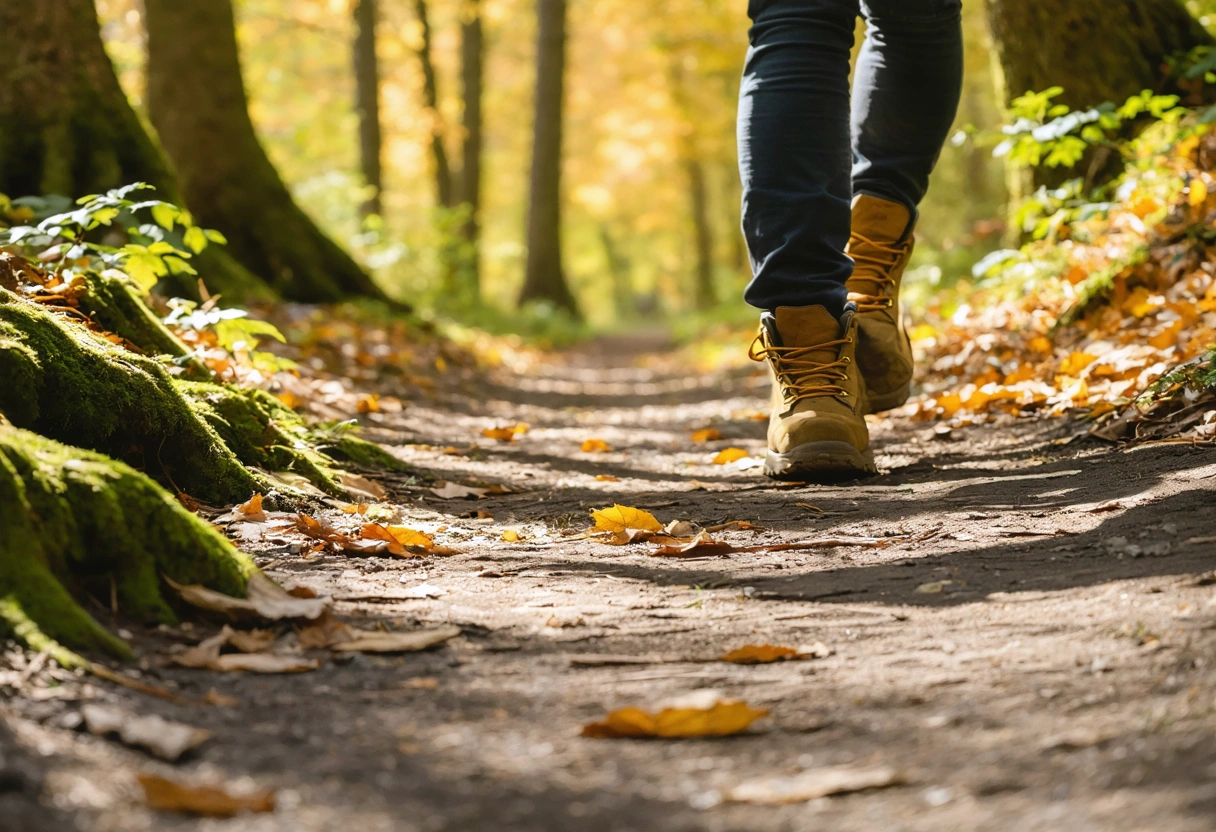
Canada's climate asks more of outdoor activity than temperate countries require — but the four seasons also offer four genuinely different relationships with the outdoors.
The conventional framing of outdoor wellness in Canada often treats winter as an obstacle and spring as the beginning. This is understandable — the psychological weight of a long northern winter is real — but it misses the genuine and specific value that each season offers. Building outdoor habits that work across Canada's full seasonal range is both more sustainable than weather-dependent enthusiasm and more rewarding.
1. A Daily Walking Practice in Any Weather
Walking is the most accessible outdoor wellness habit and the most consistently supported by research. The health benefits of regular moderate walking are well-documented across numerous population studies and clinical trials — improvements in cardiovascular health, mood, and cognitive function are associated with even modest amounts of daily walking.
The Canadian winter challenge is psychological as much as physical. Properly equipped — waterproof footwear with adequate grip for ice and snow, layered clothing with a windproof outer layer — most Canadian winter weather is entirely walkable, even in the harshest regions. The practice of walking as a daily habit, regardless of conditions, builds the resilience and the equipment knowledge that makes all outdoor activity more accessible.
Nordic cities, which face comparable or more challenging winter conditions, typically maintain walking cultures precisely because pedestrian infrastructure is maintained in all seasons. Canadian cities have become better at this — the expansion of winter maintenance on walking paths and trails in most major cities reflects a recognition that outdoor winter activity has public health value.
2. Forest Bathing and Mindful Time in Natural Settings
The Japanese practice of shinrin-yoku — forest bathing, or spending deliberate, unhurried time in forested natural environments — has attracted significant research attention. Studies have found associations between time spent in forested or natural settings and reductions in cortisol levels, blood pressure, and self-reported stress, though — as with all research in this area — the causal mechanisms are not fully established and results should be interpreted with appropriate caution.
For Canadians, the practical version of this is uncomplicated: spending time in natural settings — trails, parks, forested areas — without a performance goal (not as training, not as destination-reaching, but simply as time in the environment) seems to offer something that structured exercise does not fully replicate. The accessibility of natural settings varies significantly by region and urban context; most major Canadian cities maintain accessible green spaces that can support this practice without requiring long-distance travel.
3. Winter Outdoor Skills: Cross-Country Skiing and Snowshoeing
For Canadians who have the appropriate infrastructure access, cross-country skiing and snowshoeing transform winter from a season to endure into one to actively engage with. Both activities are accessible from most trail networks with modest equipment investment, and both allow access to winter landscapes that are genuinely extraordinary.
The cardiovascular and strength benefits of cross-country skiing are well-established; it is one of the more demanding full-body aerobic activities available. Snowshoeing requires less technique and provides an accessible entry point for those who are new to winter outdoor activity.
Many Canadian municipalities maintain groomed cross-country ski trails through their park systems during winter. Provincial parks across the country maintain trail networks suited to both activities. The investment in basic equipment — rental is available at many parks and ski centres — is moderate relative to the season-long access it enables.
4. Cycling as Year-Round Transportation and Recreation
Canadian cycling culture has matured substantially in the past decade, with most major cities now having meaningfully expanded cycling infrastructure. Year-round cycling — particularly for commuting or errands — remains more common in some regions (Victoria, Vancouver, parts of Montréal) than others, but the infrastructure and the community of practice exist in most urban centres.
The health benefits of regular cycling — cardiovascular fitness, reduced environmental footprint, reduced commute stress — are well-documented. The barrier is more cultural and infrastructural than physical: cities with good separated cycling infrastructure see much higher rates of cycling in all weather conditions than those where cycling means sharing space with motor vehicles.
For recreation, the growth of gravel cycling and mountain biking trail networks in most provinces has created year-round outdoor cycling opportunities beyond the summer road cycling season.
5. Swimming in Natural Water
Canada's extraordinary abundance of lakes, rivers, and coastline makes natural swimming accessible in a way that is unusual globally. The experience of swimming in natural water — cold, clear, with immediate access to the natural environment — offers something qualitatively different from pool swimming.
Cold water exposure has attracted significant research interest for its possible effects on cardiovascular health, mood, and stress response; the mechanisms are not fully understood, and specific claims about cold water swimming's health benefits should be treated with appropriate caution. What is well-established is that natural swimming — particularly in the form of open water swimming communities that have developed in most Canadian cities with accessible water — provides strong social connection alongside outdoor activity.
For those interested in beginning, many Canadian urban lakes and rivers have established open water swimming communities that provide both practical guidance on safety and social infrastructure for regular practice.
6. Community Outdoor Activity: The Social Dimension
Research on the health effects of outdoor activity consistently finds that social outdoor activity — group runs, hiking clubs, community gardens, outdoor team sports — shows stronger associations with wellbeing outcomes than solitary activity alone. The social dimension matters alongside the physical one.
Canada has strong infrastructure for community outdoor activity: running clubs associated with most running specialty stores, hiking clubs affiliated with provincial outdoor recreation organisations, community gardens in virtually every major city, and recreational sports leagues across virtually every outdoor activity category.
Building outdoor wellness habits that include a social component — a regular group activity, a community of practice — is likely more sustainable and more rewarding than solitary habit-building alone. The outdoor activity becomes, in part, a reason to maintain the relationship with the people who share it.
EstateVodka covers lifestyle, health, and everyday life across Canada.
Content on EstateVodka may include sponsored material. See our Disclaimer and Privacy Policy. This content is for general informational purposes only and does not constitute professional advice.