Planning a Coast-to-Coast Road Trip Across Canada
By James Whitmore · · 9 min read
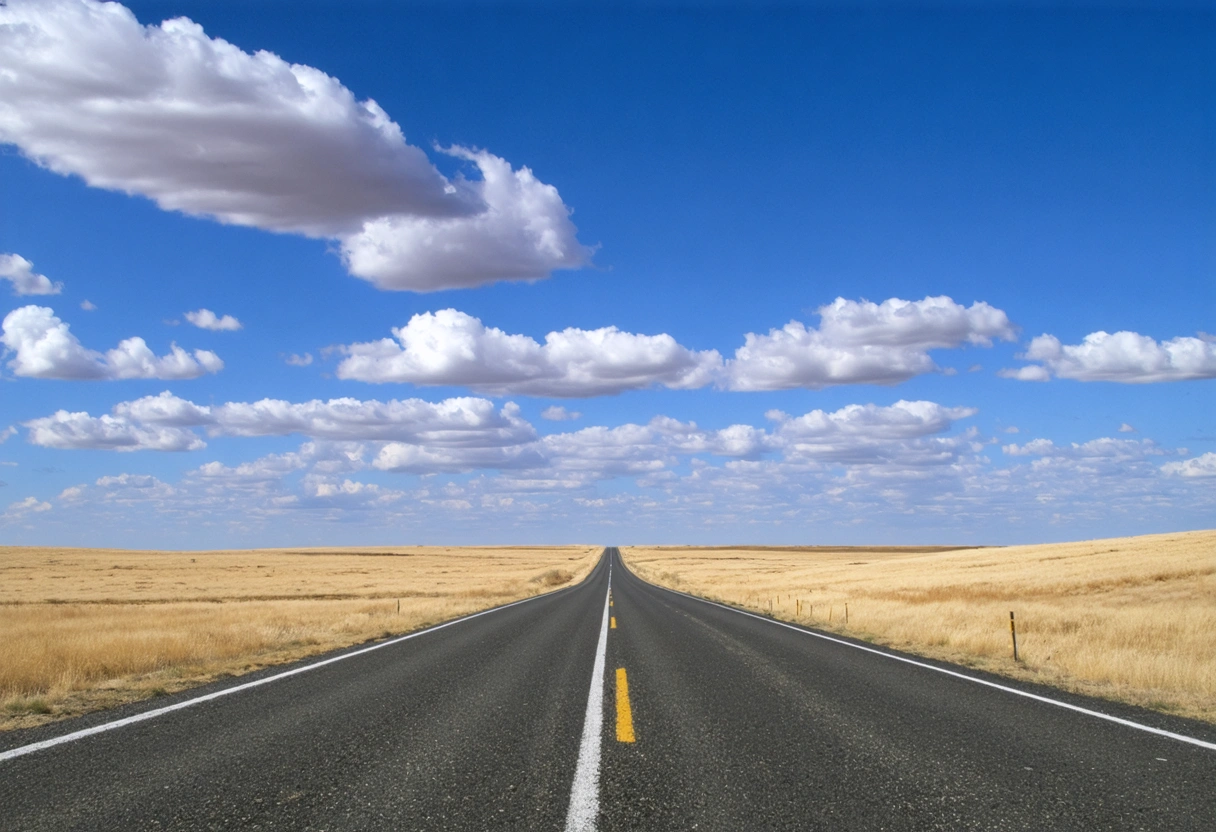
The Trans-Canada Highway has a way of making the country's scale feel personal. You understand distance differently once you have driven it.
The moment it actually registers — the sheer size of Canada — varies by driver and by stretch of road. For some, it happens in the Prairies, watching the horizon fail to arrive for day after day of driving. For others, it is somewhere in northern Ontario, where the Canadian Shield stretches in every direction with an indifference to human plans that is either magnificent or exhausting, depending on how the trip has been going.
For a few, it does not register until they are standing at one coast or the other, looking at the water, aware in a new and specific way of what lies in the other direction.
Planning a cross-Canada road trip requires confronting the distance honestly before romanticising it. The country is large in a way that the map does not prepare you for. Halifax to Vancouver is roughly 7,000 kilometres by road. Even at 500 kilometres a day — a full day's driving — the transit alone takes two weeks. Most people who do this trip well spend three to five weeks, which requires real planning.
The Route
The main route is Highway 1 — the Trans-Canada — which runs from Victoria, British Columbia, to St. John's, Newfoundland (requiring BC and Newfoundland ferry crossings). It is not the only route, and the Trans-Canada is not always the most scenic option, but it is the through-line against which any other route is measured.
From east to west, the broad character of the route shifts dramatically:
Atlantic Canada — New Brunswick, Prince Edward Island, Nova Scotia, and Newfoundland — rewards slower travel more than almost any other section. The coastlines of the Cabot Trail in Cape Breton, the red cliffs of PEI, the dramatic fjord landscape of Gros Morne in Newfoundland, and the tidal drama of the Bay of Fundy all require side trips that take time but justify it.
Quebec and Ontario offer the greatest concentration of urban interest. Montréal and Quebec City, approached by road, look different from how they appear at the airport. The drive through northern Ontario is genuinely long and requires preparation; it is 1,600 kilometres between Montréal and Winnipeg with limited significant stops, and the supply of podcasts or audiobooks becomes as important as the fuel strategy.
The Prairies — Manitoba, Saskatchewan, and Alberta — are the most frequently underestimated section. The skies are extraordinary. The light, particularly in the hour before sunset, produces landscapes that justify the time spent driving them. Winnipeg is worth more time than most trips give it. Saskatoon is genuinely pleasant. Edmonton is larger and more interesting than its reputation among non-Albertans suggests. The Rocky Mountain approach from the east, when it finally arrives, provides an arrival that the slow build of the Prairies has earned.
British Columbia is widely acknowledged as the final reward. The Rogers Pass through the Selkirk Mountains, the Fraser Canyon, the final descent to the coast — the last several hundred kilometres are among the most dramatic in the country.
Timing and Season
Summer — late June through August — is the obvious choice, and there are good reasons for it. The weather across most of the route is reliable. The long northern days mean long driving windows with good light. National parks and other major attractions are fully operational.
The disadvantages are equally real: accommodation along the route is expensive and books up months in advance, campground competition at popular stops is intense, and the major tourist sites feel correspondingly crowded.
Early fall — September and October — is genuinely underrated. Accommodation is more available and less expensive. The prairie harvest light and the turning colours in Quebec and Ontario are visual bonuses. The Maritimes are at their best in late summer and early fall, before the tourist season entirely winds down.
Spring is possible but carries weather risk; mountain passes can remain snow-affected into late May, and Atlantic Canada's spring is reliably wet.
Practical Planning
Allow more time than you think you need. The most common regret among people who have done this trip is not that it took too long — it is that they didn't leave enough time to stay where they wanted to stay.
Book accommodation for major cities and popular parks well in advance. Banff, in particular, has limited accommodation relative to demand, and last-minute options in peak season are both scarce and expensive.
Budget honestly for fuel. The distance and Canada's fuel prices mean that fuel costs are a significant budget line for a cross-country trip. For a vehicle consuming an average amount per 100 kilometres, the fuel cost for 7,000 kilometres is substantial.
Factor in ferry crossings. The BC Ferries service from Tsawwassen to Swartz Bay (if you begin or end in Victoria), and the Marine Atlantic crossing to Newfoundland (if Newfoundland is part of the itinerary), both require booking in advance during peak summer.
Use Parks Canada national park reservations for campsite bookings in the major national parks. They open several months in advance and fill quickly.
The Unexpected Parts
What most people remember best about a cross-Canada road trip is not what they planned. It is the place they stopped because they needed fuel and ended up staying the night. The conversation at a roadside diner in a small Manitoba town. The roadside sign for a historic site that turned out to be genuinely astonishing.
The highway, and the country it traverses, have this quality: they keep producing the unexpected, right up until the end. The planning matters — the fuel and the accommodations and the timing — but what the trip becomes is always at least partly a surprise.
Pack for every type of weather. Start with more time than you think you need. And leave the final day or two unscheduled.
EstateVodka covers travel, culture, and everyday life across Canada. Browse our full archive for more on Canadian destinations and planning.
Content on EstateVodka may include sponsored material. See our Disclaimer and Privacy Policy. This content is for general informational purposes only and does not constitute professional advice.